
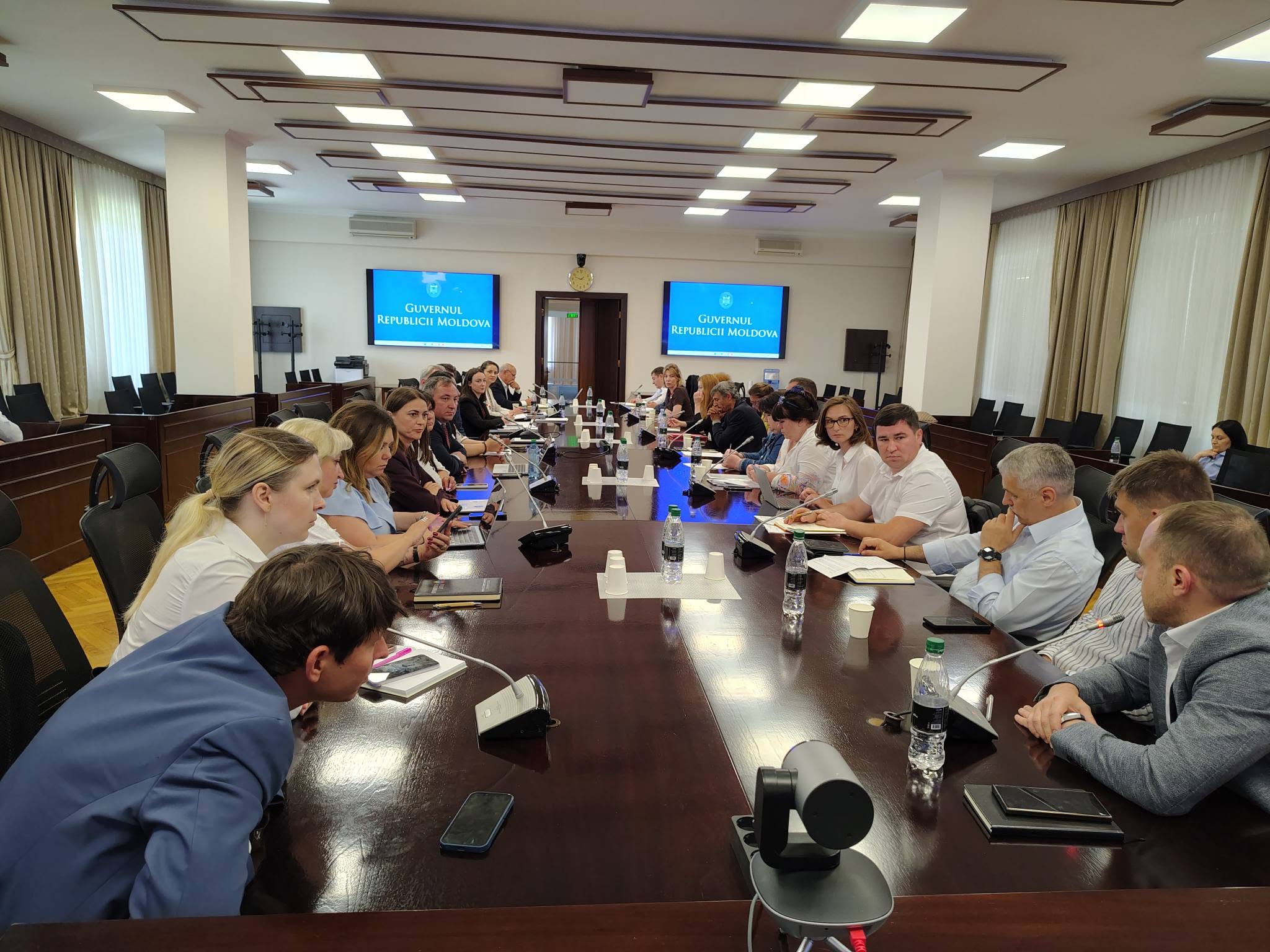
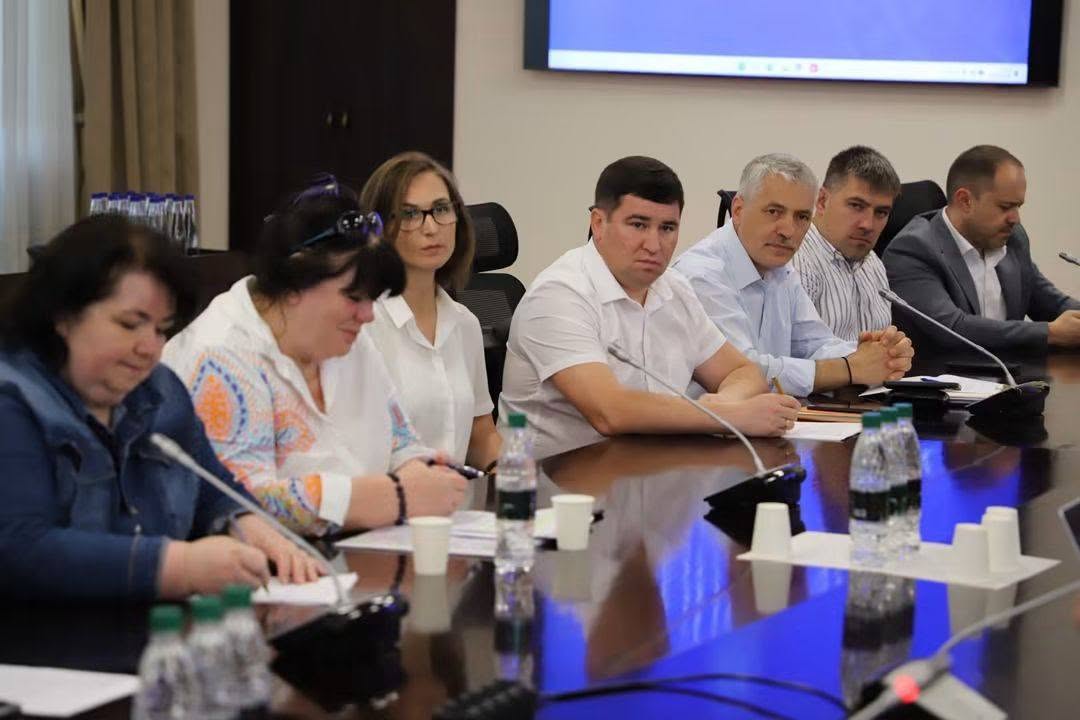
On 18th of June, the ANTRIM community, together with sector partners – the National Association of Travel Agencies of Moldova (ANAT), MAR, the Medical Tourism Association, and other профиль organizations – took part in an important round of consultations with the Minister of Infrastructure and Regional Development, Vladimir Bolea Osmochescu, regarding the impact of the new fiscal policy on Moldova’s tourism and hospitality industry.
During the discussions, representatives of the sector addressed the main challenges generated by the new fiscal changes, with a particular focus on the solutions needed regarding VAT in tourism and the reform of local taxes, so that the hospitality sector can maintain its stability and competitiveness.
A priority topic was the support of agritourism guesthouses and rural accommodation units – businesses that directly contribute to the promotion of local heritage, preservation of traditions, and economic development of local communities. In this context, ANTRIM reiterated the importance of applying a zero VAT rate for rural tourism, considering this measure essential for supporting small family-run businesses, attracting visitors to the regions, and stimulating local development.
At the same time, ANTRIM highlighted the significant impact that the sudden increase from the reduced 8% VAT rate to the standard 20% rate for hotels and food service establishments would have. Such an increase would place direct pressure on operating costs, final prices, and the competitiveness of the sector. In this regard, the need for government support measures, compensation mechanisms, and dedicated facilities for the hotel industry was strongly emphasized.
Regarding local taxation, we welcome the authorities’ openness to the proposals advanced by the sector, reflected in the initiative to cap local taxes nationwide at a maximum of 3% of turnover. This measure, which also targets the hotel tax and the tax for the use of locality names, could contribute to greater fiscal predictability for businesses and reduce disproportionate cost differences between regions.
At the same time, ANTRIM supports the alignment with international best practices by replacing the traditional hotel tax with a dedicated city tax, paid directly by the tourist. Such a mechanism would reduce the fiscal burden on economic operators and could contribute to the creation of a transparent and sustainable budget for tourism promotion and the development of local destinations.
“The tourism and hospitality industry needs fiscal predictability, balanced measures, and a framework that supports business competitiveness rather than undermining it. For ANTRIM, it is essential that any fiscal reform takes into account the specific nature of the sector, the role of rural tourism in the development of local communities, and the need to maintain the Republic of Moldova as a sustainable and competitive destination in the region.”

We use essential cookies for the website to function and, with your consent, analytics cookies to improve it. You can accept or reject optional cookies. Privacy policy.