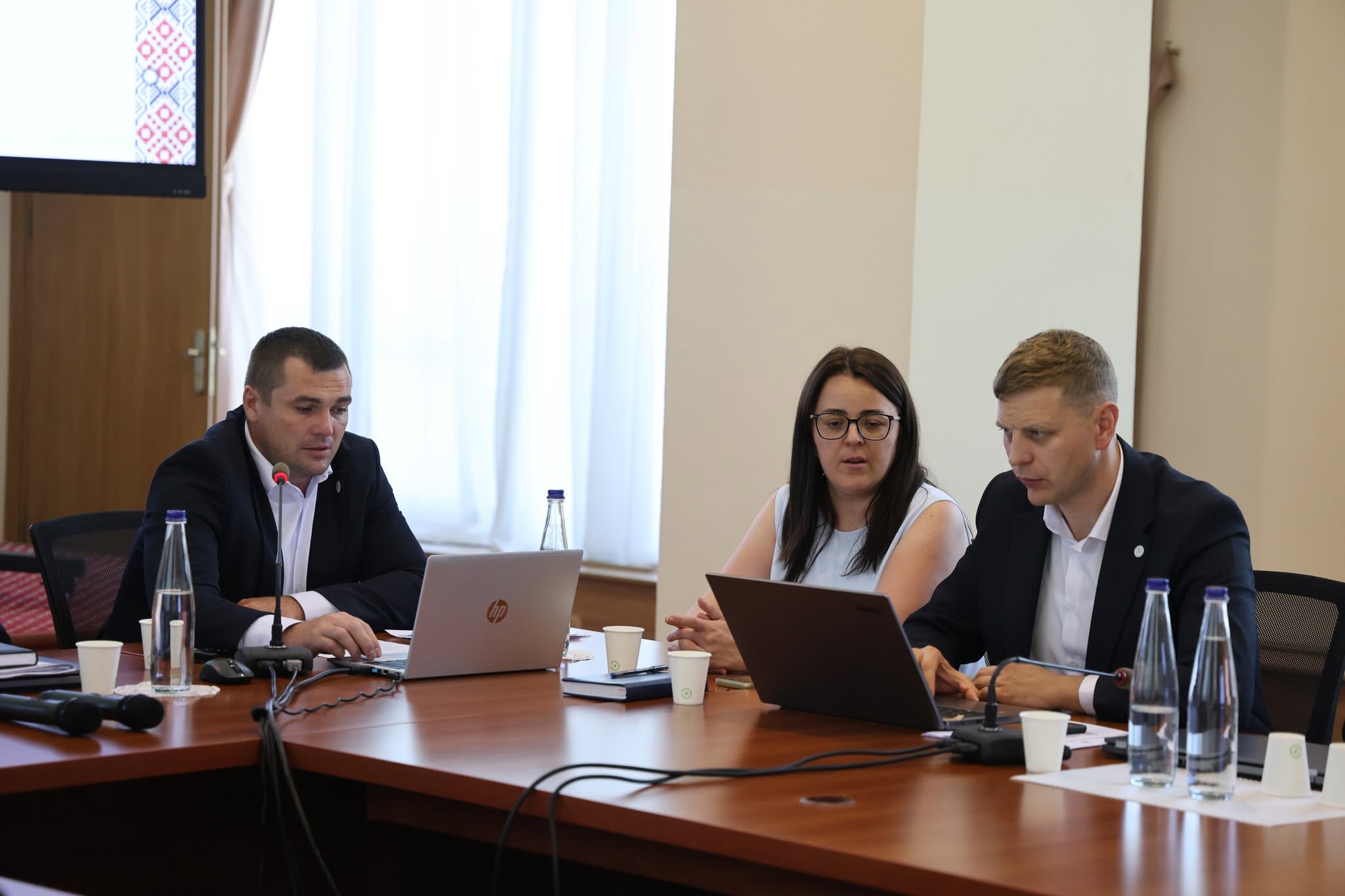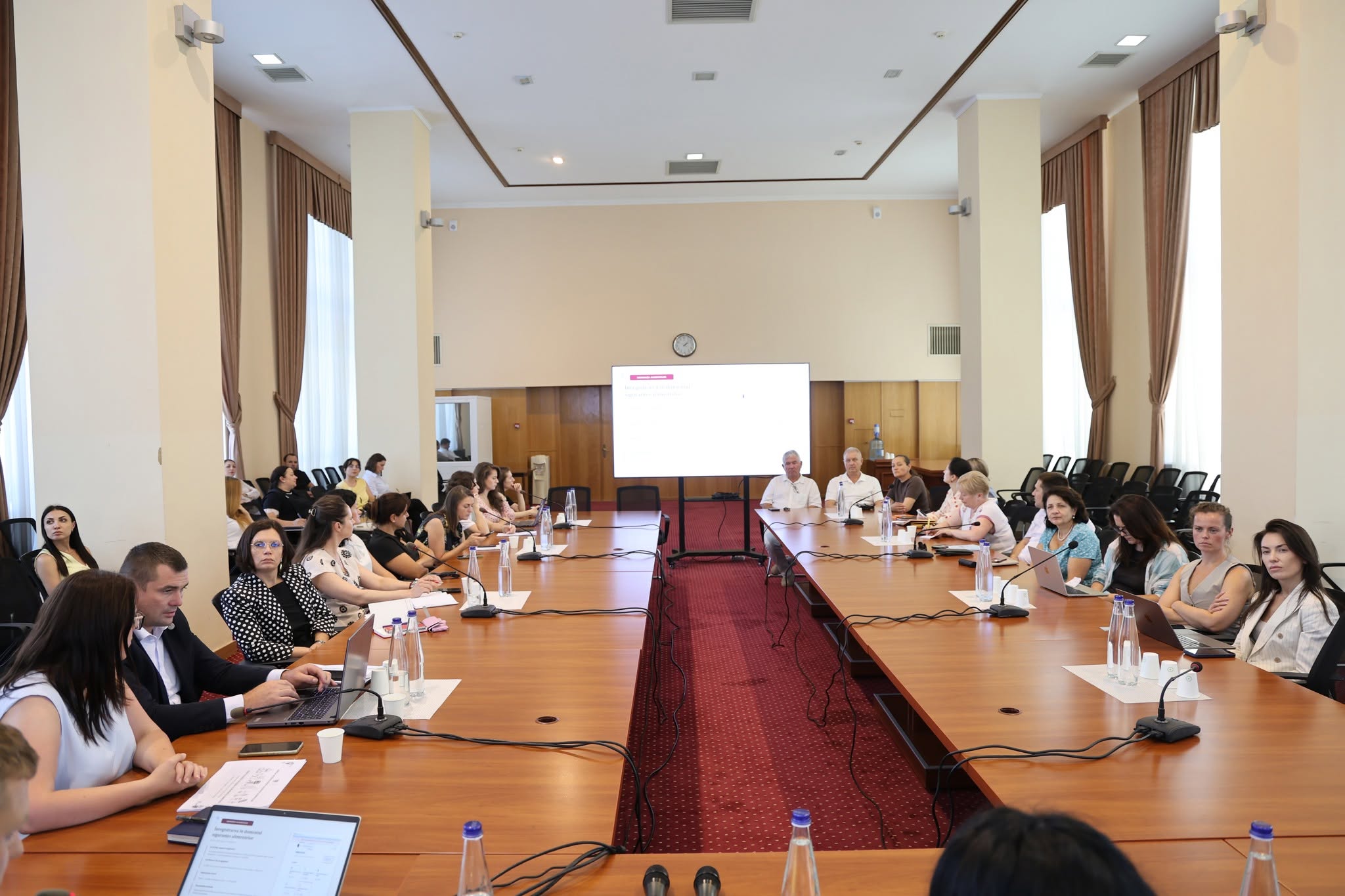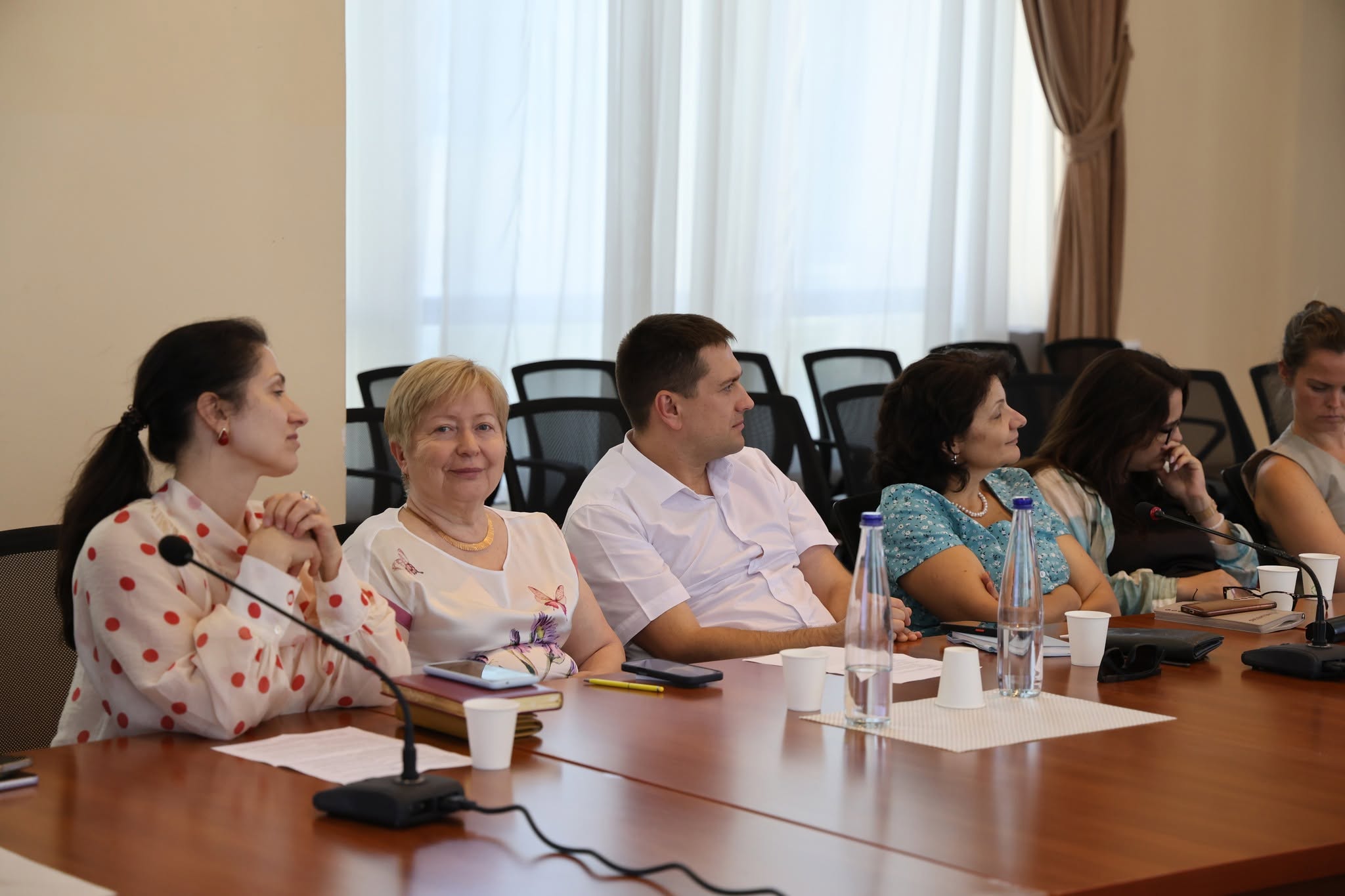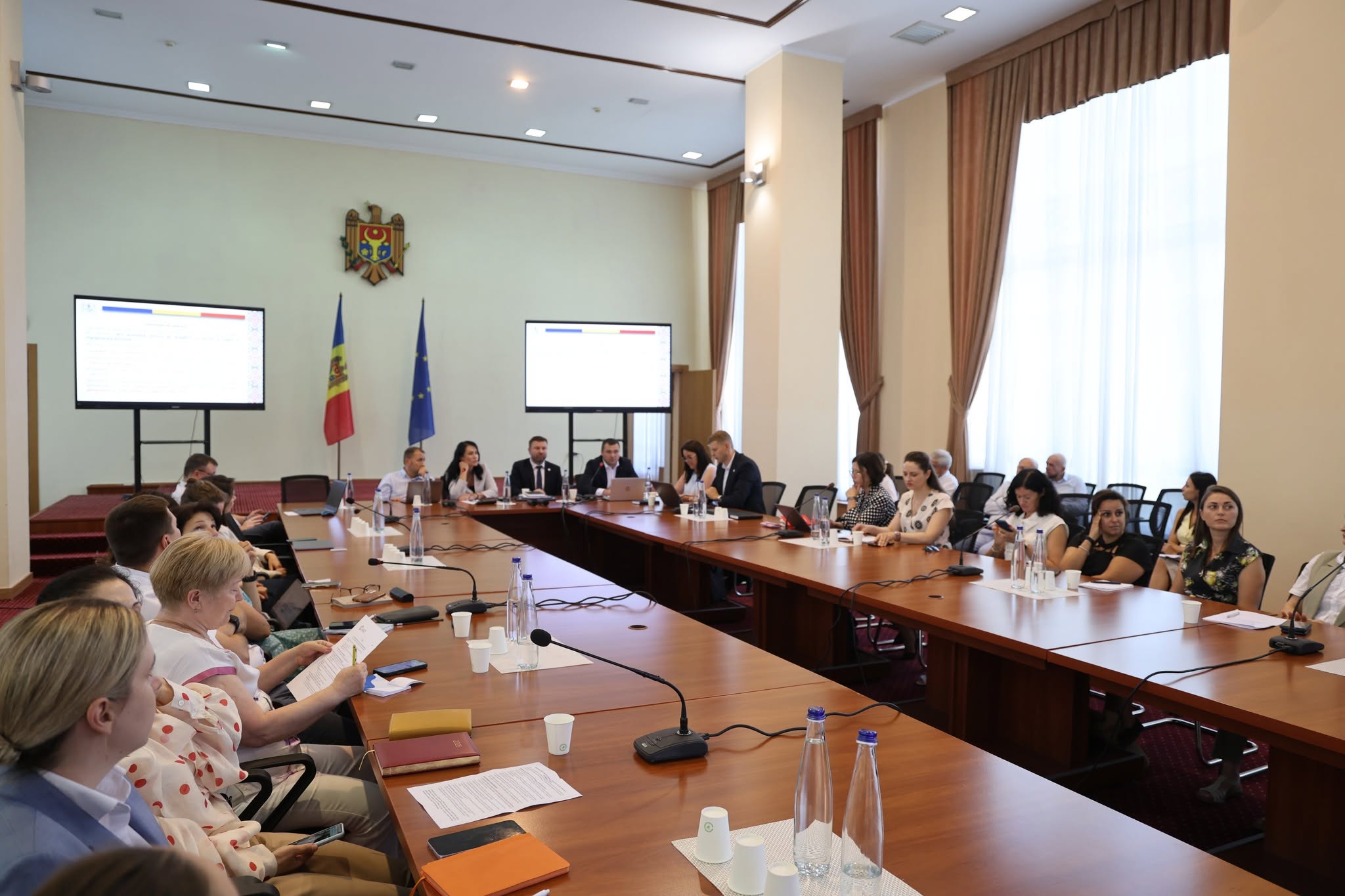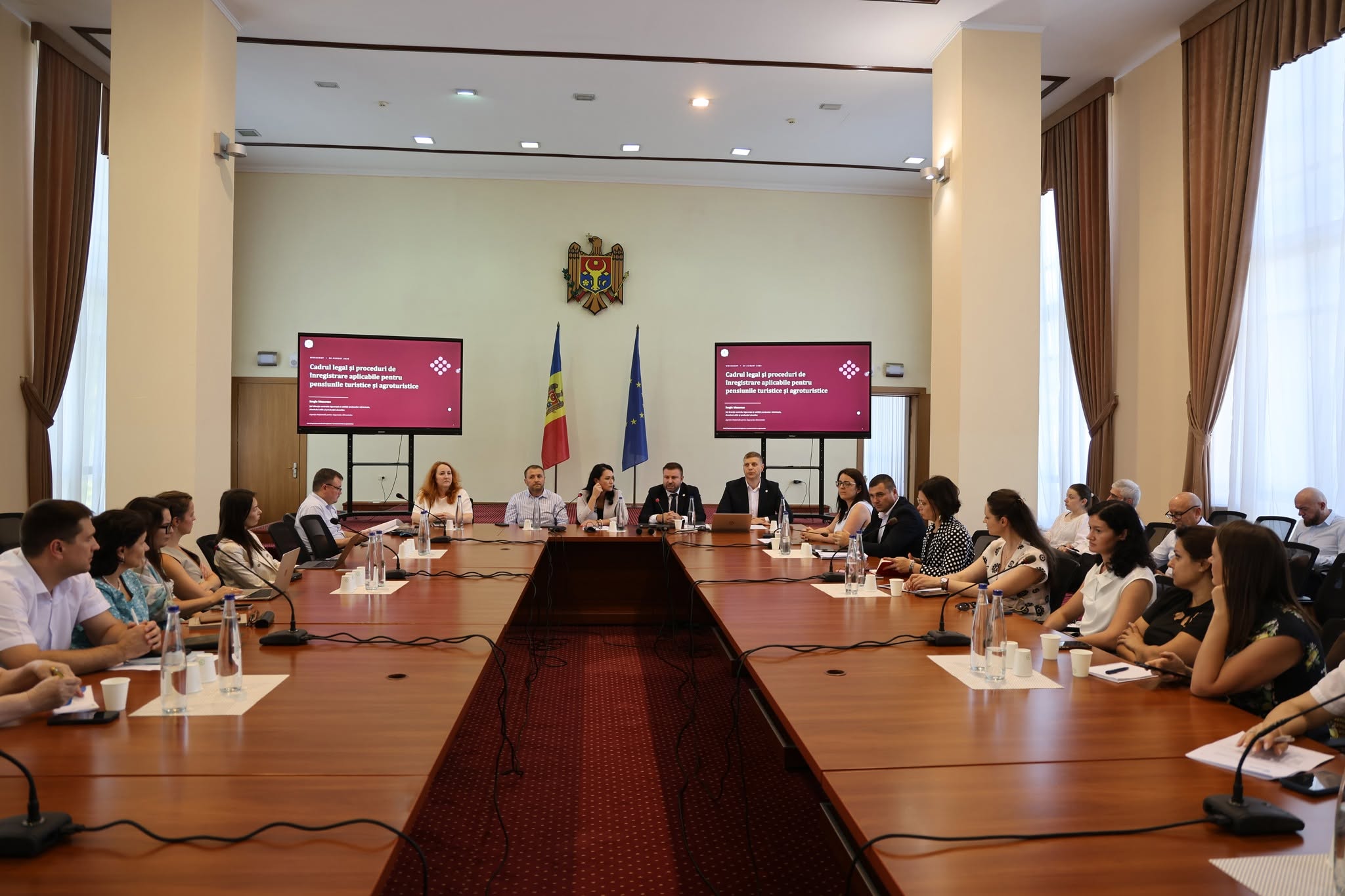
ANTRIM participated in the meeting of Working Group No. 10 of the Economic Council, organized with the participation of the National Food Safety Agency (ANSA) and the Ministry of Agriculture and Food Industry.

A clearer compliance framework, risk-based controls, and requirements adapted to the realities of small family businesses are essential for the development of rural tourism in the Republic of Moldova.

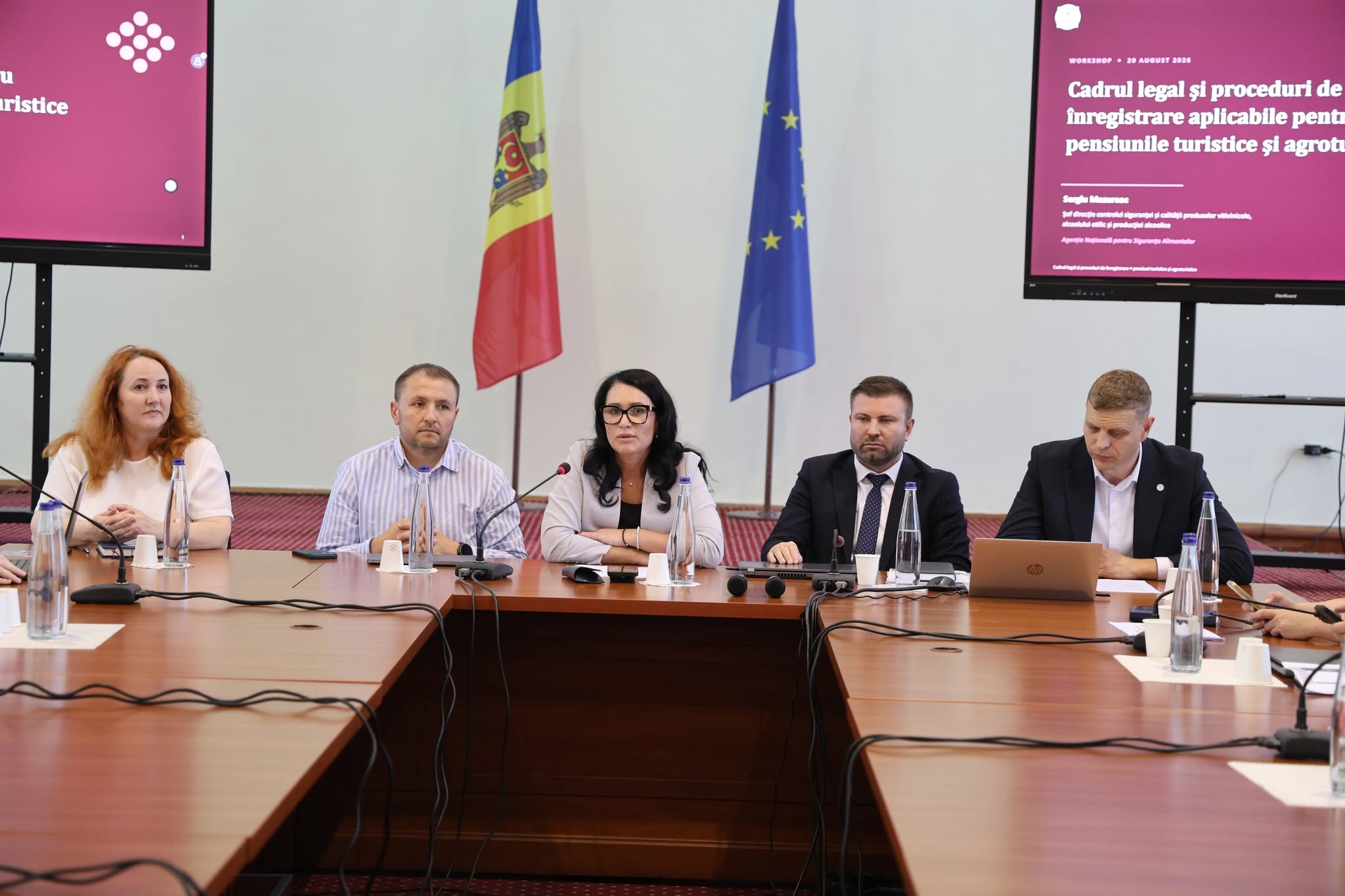
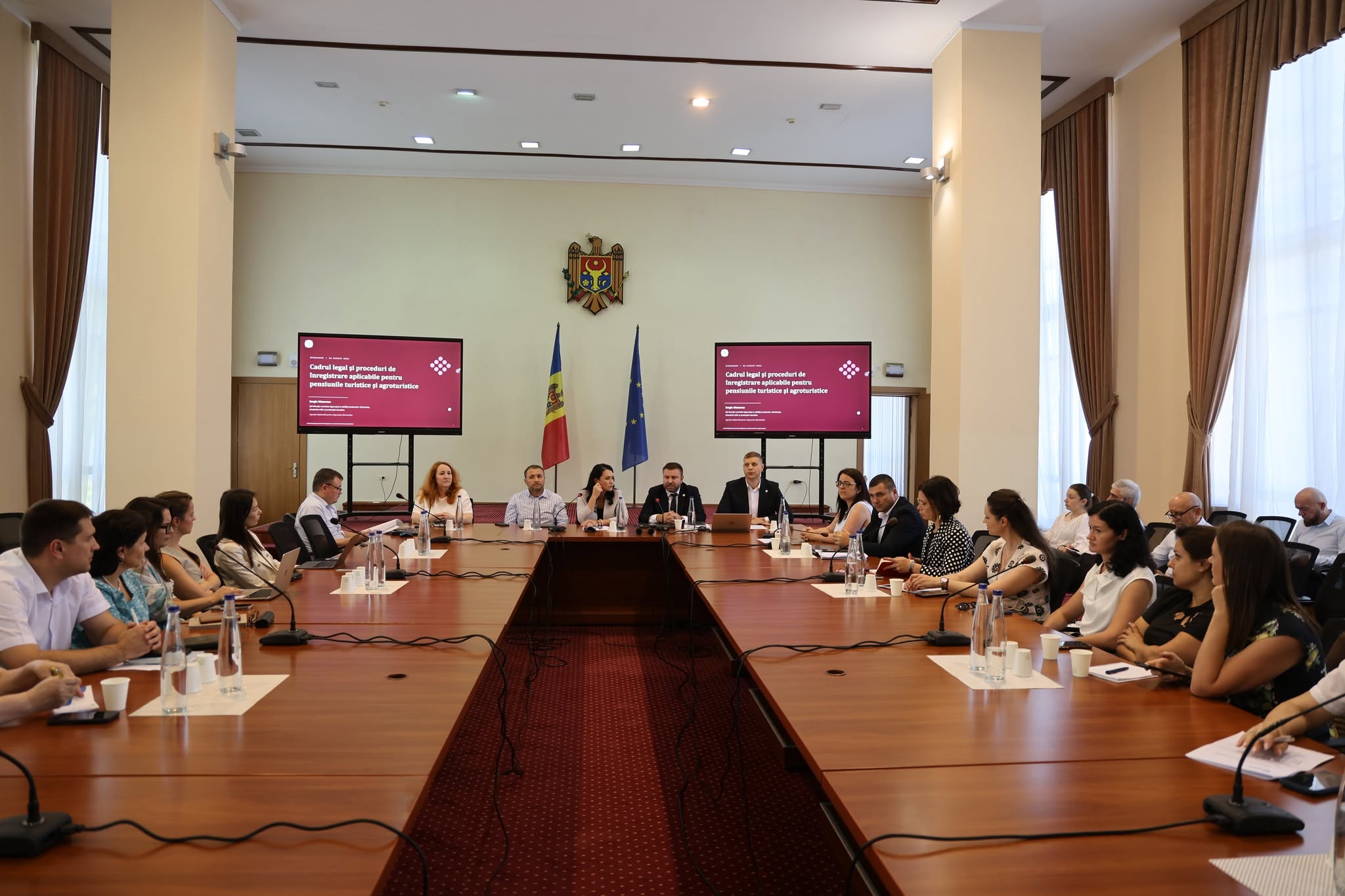
Yesterday, together with ANTRIM members, we participated in the Working Group No. 10 meeting, held under the Economic Council and dedicated to the implementation of standards, compliance requirements, and good practices in the operation of tourist and agrotourist guesthouses.

The meeting brought together representatives of public institutions, the business community, guesthouses and agrotourism businesses, as well as development partners. The meeting was chaired by Ina Butucel, Deputy Secretary General of the Ministry of Agriculture and Food Industry.

How Can We Make the Rules Easier for Small Operators to Follow?

For ANTRIM, compliance with hygiene, food safety, and public safety standards is essential. At the same time, we believe that the way these requirements are applied should take into account the specific characteristics and scale of rural tourism businesses.

Small guesthouses and agrotourism establishments are, in many cases, family-run businesses. They operate with limited resources, accommodate a relatively small number of guests, and often prepare traditional products and dishes in a setting that differs from that of conventional restaurants.

That is why, during the meeting, we put forward a set of proposals aimed at supporting and accelerating the development of rural tourism by strengthening the small family businesses that bring life and value to rural communities.
What ANTRIM proposed

Simplifying requirements and procedures for small rural accommodation units

  • Developing a separate and simplified checklist for small tourist and agrotourist guesthouses, adapted to their specific characteristics and distinct from the requirements applicable to restaurants and conventional food service establishments;
  • Clarifying the criteria for technological processes, including the distinction between full and partial technological processes, through a practical guide with examples relevant to rural guesthouses and agrotourism businesses;
  • Ensuring clear and consistent information for operators on simplified requirements applicable to small food producers and tourism accommodation establishments, including through practical guides and information sessions;
  • Introducing a transition and information period for newly registered rural businesses, with an initial focus on guidance and support for compliance rather than sanctions;
  • Clarifying the requirements for traditional homemade products and preparations, including preserved foods prepared for guests staying at the property, and distinguishing these from products sold separately as souvenirs;

More efficient, risk-based controls

  • Introducing a distinct risk category for small rural accommodation units, taking into account their limited number of guests, reduced menus, and lack of complex food-processing operations;
  • Applying a control frequency proportionate to the level of risk, allowing low-risk establishments with a good compliance history to have longer intervals between planned inspections;
  • Increasing transparency around risk assessment criteria, so that operators understand how inspection frequency is determined and which factors are taken into account;
  • Better coordination of inspections between institutions, where possible, to avoid repeated and separate visits by different authorities to the same business within a short period;
  • Adapting inspections for seasonal businesses, so that their scheduling takes into account the actual operating period of rural guesthouses and agrotourism establishments;

Greater clarity, guidance and digitalisation

  • Organising regular practical training sessions by ANSA and ANTRIM for rural tourism operators, focused specifically on the requirements applicable to guesthouses and agrotourism businesses;
  • Simplifying and digitalising registration and re-registration procedures in the area of food safety, allowing them, where possible, to be completed online and without repeated administrative visits.

Rural Tourism Means Communities, People and Small Businesses

Rural guesthouses and agrotourism establishments are more than just accommodation facilities. They are family businesses, sources of income for local communities, and places where visitors discover local cuisine, traditions, authentic products, and the way of life in Moldova’s villages.

Supporting this segment means creating more economic opportunities for rural communities, offering more authentic experiences to visitors, and diversifying the tourism offer of the Republic of Moldova.

That is why our goal is to contribute to a framework where consumer safety and compliance with regulations go hand in hand with the realities of small businesses and the development of rural tourism.

The proposals put forward by the private sector will be reviewed by the relevant institutions with a view to identifying the most appropriate measures to simplify and streamline the compliance process.

ANTRIM will continue to represent the interests of its members and support constructive dialogue between the private sector and public authorities, contributing to a more competitive, accessible, and development-oriented tourism sector.

Leave a Reply